How to Get Over Jet Lag Quickly

Is jet lag getting you down?
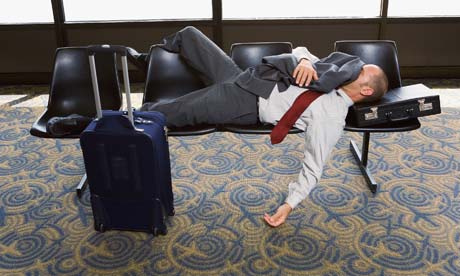
You love the excitement of going to new places but you hate the nagging jet lag that comes with it. Many travelers experience some form of jet lag when they travel and that can intervene with the quality of their business trip or vacation. If you travel across two or more time zones, the chances are you’ll experience some degree of jet lag. You’re sleepy at the wrong time, your body feels weird or tired, you experience constipation or the reverse—diarrhea. You may also feel a little mental lethargy where you’re not as sharp as you should be. All these are classic symptoms of jet lag. Crossing time zones can throw your body’s daily rhythm out of whack. The severity of symptoms is largely dependent on a number of factors including the number of time zones you cross, your age and ability to adapt
What Causes Jet Lag?
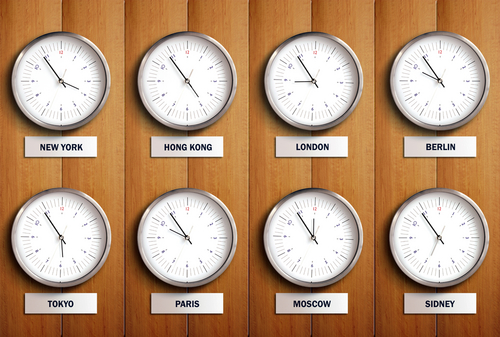
Your body has an internal clock that regulates your sleep-awake cycle. The part of your brain, known as hypothalamus, which controls hunger, thirst, body temperature, hormonal levels also controls sleep. Hypothalamus responds to light and darkness. When it is dark, hypothalamus increases the production of melatonin, a sleep-inducing hormone and when it is light, it reduces the hormone. When you travel thousands of miles, your body’s natural circadian rhythm has to adapt to a new day and night cycle. If your body cannot adapt immediately or fast enough, you will experience jet lag. For instance, when you travel from California, America to Singapore, you face a 15-hour difference. When you arrive in the day in Singapore, your body clock is still on the night circle and you may feel sleepy in the middle of the day.
Traveling long hours on an airplane may also contribute to jet lag. You may experience a general sense of being unwell, your muscles may ache and you may feel tired. Mayo clinic attributes it to the induced cabin pressure at high attitudes in the aircraft. The air also tends to be very dry and can cause mild dehydration if you don’t drink enough fluids. Dehydration may further compound the effects of jet lag.
Although jet lag is usually temporary and will go away once your body adapts to the new rhythm, it can affect the quality of your vacation or work (if you’re on a business trip). You may waste valuable time, waiting for your body to adjust. By the time you’ve recovered, the vacation or work assignment maybe over. However, there are ways to minimize the effects of jet lag and here are some ways seasoned travelers find useful:
Easy Tips and Exercises to Reduce Jetlag
- Stick to the New Schedule
You arrive at your destination during the day but you’re on the night cycle, what do you do? Cave in and go to sleep? Health experts advise you to resist the temptation to do so. Take a walk or do an activity that will keep you awake. Staying in the sunlight will also help your hypothalamus reduce the production of melatonin, thereby helping you keep awake. By sticking to the local schedule, your body will readjust much faster.
- Stay Fit
Staying in optimal physical shape and health will help your body cope with the time changes. Your body will rebound quicker and adapt faster. In order to stay fit, adopt a healthy lifestyle with exercises, good nutrition and adequate rest. If you’re already physically fit, it is important to continue your healthy regimen after you’ve landed. Most hotels have a fitness center— be sure to use it to your advantage. If not, you can always create your own exercise—do yoga in the privacy of your room or enjoy a brisk walk.
Replenish fluid lost duirng air travel.

- Stay Hydrated
A long flight may dehydrate your body to the point where it would take about two pints of water to replenish fluids lost. That’s just one aspect. Dehydration can also worsen fatigue—the last thing you want on a vacation or business trip. Drink plenty of water to keep your body sufficiently hydrated. When choosing beverages on in-flight services, it is best to avoid alcohol or caffeinated beverages as they tend to be dehydrating and they can also interfere with your sleeping patterns.
- Start Adapting
It’s a good idea to adapt your body to the new time schedule of your destination days before you leave. To help your body adapt, Avelino Verceles, an assistant professor at the University of Maryland School of Medicine suggests initiating sleep half an hour earlier each night for several nights prior to traveling east and do the opposite if you’re traveling west. Such gradual changes will help your body get in sync with the new destination time.
What is Melatonin?

- Break Up Your Trip
Traveling across 12 or more time zones can take a toll on your body. Breaking up a long flight may help your body ease into an entirely different time schedule. Most long flights have transit destinations. For example, instead of going directly from California to Singapore, schedule a stopover in Hong Kong or Japan (depending on the flight route) for a day or two to help your body adjust and adapt.
- Sleeping Medications
Sleeping medications should only be used under the doctor’s direction and as a last resort. Melatonin, a natural sleeping aid is often prescribed and research shows some degree of success with melatonin use with regard to jetlag. Ask your doctor to prescribe a medication that is right for you, especially if you have any pre-existing health condition. If you’re a frequent flyer and experience jet lag on a consistent basis, it is best to see a sleep specialist or a physician who specializes in sleep medicine.